2026 Cybersecurity Strategies: Access Management
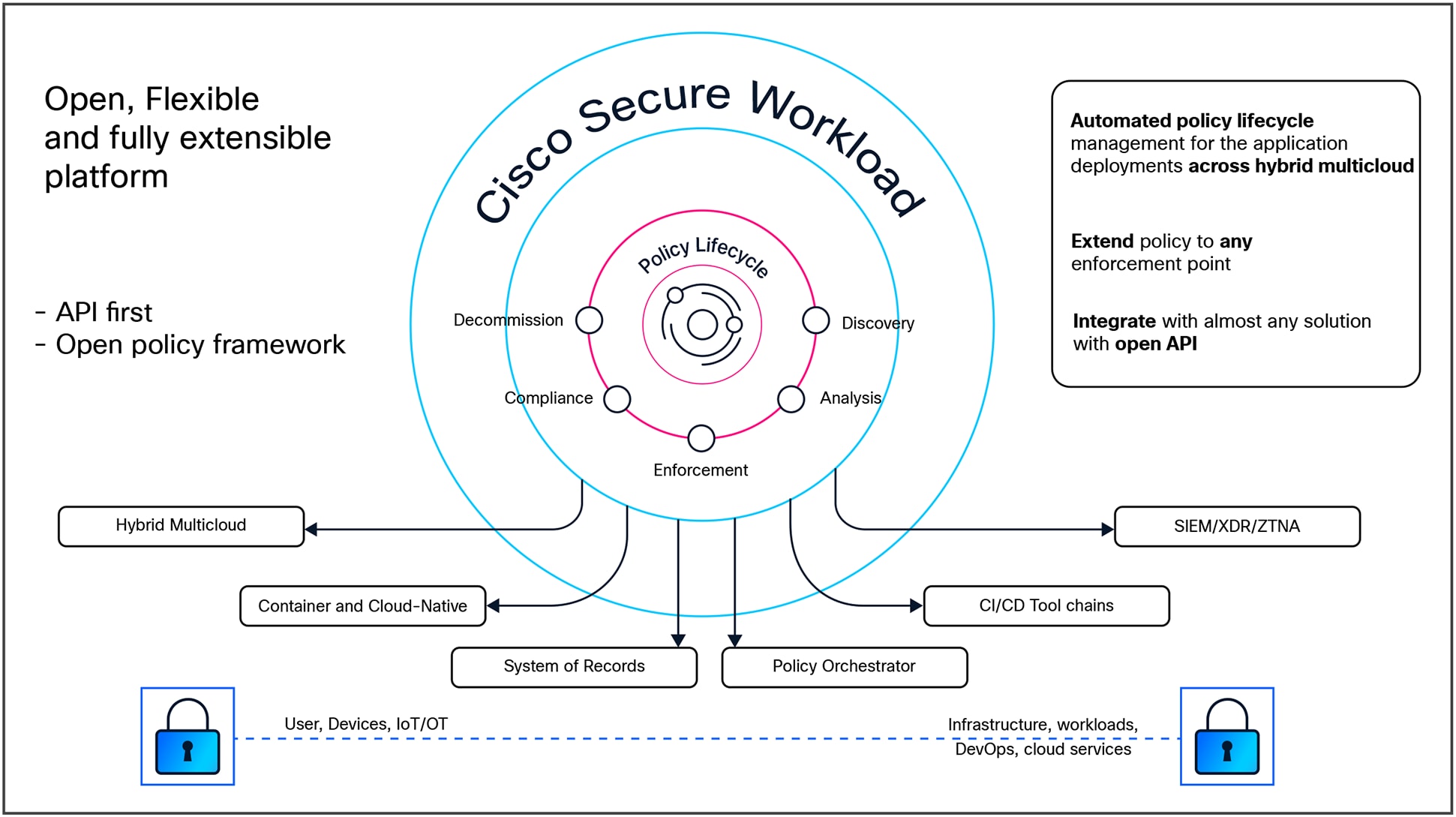
As networks end up being more distributed, standard perimeter-based designs are no longer sufficient. Modern approaches focus on decreasing implicit trust and continually verifying access. Zero Trust security models presume no fundamental trust based on network area. Zero Trust Network Gain Access To (ZTNA) implements constant confirmation based on identity, gadget posture, and context, restricting lateral movement and minimizing the impact of compromised credentials.
Network division limits how workloads and gadgets communicate, assisting consist of risks and enforce least-privilege access. Policies are applied regularly to manage ingress, egress, and eastwest traffic circulations. Comprehensive exposure into traffic patterns, habits, and performance makes it possible for quicker detection of abnormalities and more educated response choices.
Network security secures networks and the data they bring from unauthorized gain access to, abuse, and cyberattacks. It ensures systems remain personal, offered, and trustworthy throughout all digital environments. Its functions are: Prevents unauthorized access and cyber threatsProtects data stability, privacy, and availabilityUses layered security manages across devices, users, and systemsEnsures safe interaction and trusted network operations Network security works through several protective layers that control gain access to at both the network edge and inside the environment.
The core idea is to protect large quantities of data utilizing layered defenses that enforce guidelines before any action is permitted. These layers consist of: Working of Network Security Physical security avoids unauthorized individuals from physically accessing network hardware, servers, or devices. Uses access cards, biometrics, CCTV, and locked server roomsProtects routers, switches, cables, and information centersPrevents tampering, gadget theft, and hardware-level attacks Technical security secures data as it is kept, processed, and transferred throughout the network using software-based controls.
Manages authentication, authorization, and user rolesEnforces security policies and gain access to controlsEnsures proper setup, monitoring, and compliance Below are the significant types of network security controls that safeguard networks from breaches, unauthorized gain access to, and cyber risks. Email security safeguards email accounts from phishing, malware, scams, data theft, and unauthorized gain access to. Filters spam, harmful links, and phishing emailsBlocks dangerous accessories and outgoing data leaksProtects among the most frequently made use of attack vectors Network division divides a network into separated sections to lower attack spread and implement security policies.
2026 OCR and CAPTCHA Solving
Identifies gadgets before giving accessRestricts or blocks non-compliant endpointsEnforces authentication and permission policies Sandboxing runs files or code in an isolated environment to identify malicious habits securely. Avoids malware from reaching the networkSimulates real OS behavior for analysisIdentifies zero-day and unidentified dangers Cloud security safeguards cloud work, applications, and saved information from unauthorized access and breaches.
XrumerBlocks hazardous URLs and web-based attacksSecures web gateways on-prem and in the cloudProtects organizational sites from vulnerabilities IPS keeps track of network traffic to identify, avoid, and obstruct harmful activity in genuine time. Determines suspicious behavior and attacksAutomatically blocks damaging trafficGenerates logs and reports for analysis Anti-virus solutions identify, obstruct, and remove malware such as infections, Trojans, ransomware, and worms.
Serve as a barrier in between trusted and untrusted networksControls incoming and outbound trafficPrevents invasions and unauthorized connections Application security safeguards software application and apps from vulnerabilities and exploitation throughout advancement and usage. Includes protected coding, screening, and patchingProtects delicate information dealt with by applicationsBlocks common attacks such as injection or XSS Wireless security safeguards Wi-Fi networks from unapproved access and wireless-specific attacks.
Controls which gadgets can connect to the networkEnforces file encryption and secure connection policiesMonitors mobile traffic for suspicious activity Industrial network security protects operational innovation systems like SCADA, PLCs, and vital facilities. Sections OT networks from IT networksMonitors device behavior and anomaliesPrevents attacks on manufacturing and industrial systems A VPN encrypts the connection in between users and networks, ensuring secure remote gain access to.
Modern Vision Technology for Data Automation
Reduces the threat of major monetary damage resulting from information breaches, ransomware, or downtime. Helps maintain customer trust by securing personal data and preventing public security events. Ensures smooth and uninterrupted company operations by stopping cyberattacks and unauthorized access before they trigger disruption.
Each week, networks appear to grow in size and intricacy. New SaaS services come online, while ingenious interaction tools make remote working easier. Information storage approaches shift, with brand-new properties to secure. And brand-new malware threats constantly emerge. In an ever-changing digital world, network security has never ever been more important.
Approaches to protect networks change all the time. In this glossary post, we will describe network security fundamentals. We will introduce the CIA concept, and we will also take a look at modern security techniques. This article overviews the subject, however you can tweak your understanding with in-depth texts about related principles.
Xrumeris vital for defending versus external hazards, it includes securing digital and physical connections to the internet. range from LANs for little areas to WANs and SD-WANs for bigger areas and cloud security. Running as Layer 3 of the OSI model, by developing and routing packets, typically protected through file encryption.