Comparative Performance Benchmarks for Modern OCR Software Engines

Modern Network Shifts in 2026
The year 2026 marks a definitive break from tradition networking restrictions that as soon as impeded the development of automated systems. As organizations push toward full-blown machine-to-machine autonomy, the constraints of IPv4 have actually moved from a technical annoyance to an outright functional ceiling. Address deficiency is no longer a future risk however a present truth that dictates how every piece of software application is deployed. In 2026, the cost of acquiring legacy address area frequently surpasses the expense of the hardware itself, requiring a transition that is now driven by financial necessity as much as technical requirement.Massive automation workloads, particularly those involving AI-driven edge computing and high-density sensing unit networks, require a distinct identity for every single node. Standard approaches of stretching IPv4, such as carrier-grade Network Address Translation (NAT), present unacceptable latency and complexity for 2026 requirements. These layers of translation avoid the direct, peer-to-peer interaction that modern-day automation requires to work at millisecond speeds. As a result, the adoption of IPv6 has become the baseline for any organization operating in major technical markets where data throughput and low-latency action times are non-negotiable.
Scaling automated network systems for Massive Workloads
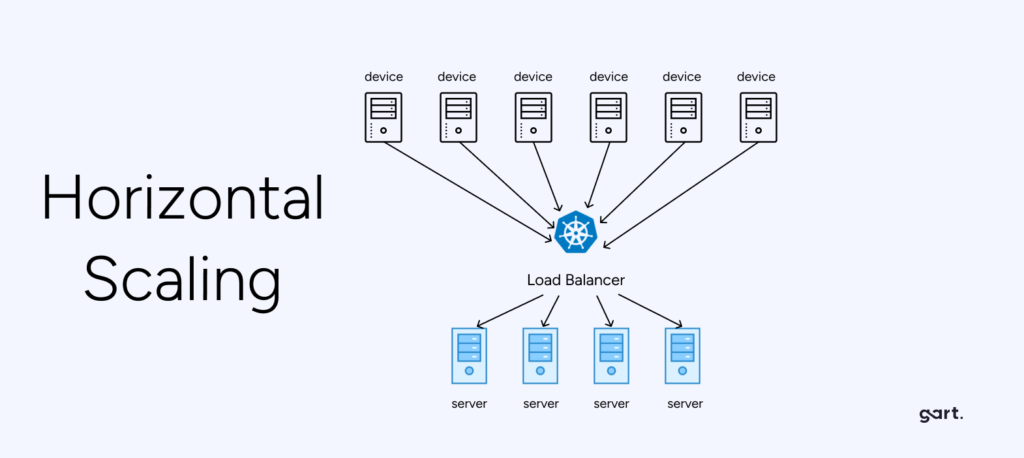
Development in the automation sector depends upon the capability to arrangement thousands of new endpoints in seconds. Under old procedures, this procedure involved manual subnet management and cautious tracking of private IP varies to avoid overlap. In 2026, making use of IPv6 permits for stateless address autoconfiguration, which eliminates the need for centralized management of every single identity. This shift enables engineers to focus on the logic of their automation rather than the plumbing of the network.Large-scale releases in regional hubs are now seeing the advantages of simplified headers and enhanced package handling. The effectiveness of the IPv6 header allows routers to process packages much faster, which is vital when dealing with the high-volume data streams generated by automated manufacturing and autonomous logistics. Experts looking for Asia Virtual Solutions Metrics typically observe that those who transitioned early in 2026 have significantly lower functional overhead compared to those still managing complicated NAT tables.
Technical Stability in 2026 Infrastructure
The transfer to an IPv6-first infrastructure also brings significant improvements to routing effectiveness. Segment Routing (SRv6) has actually become a primary method for steering traffic across dispersed clouds without the need for intricate label-switching protocols. This technology enables automation platforms to define the exact course a packet ought to take, guaranteeing that time-sensitive data reaches its location without striking congestion points.In 2026, the stability of network infrastructure depends upon this level of granular control. By embedding guidelines straight into the IPv6 header, network designers can automate traffic engineering based on real-time needs. This ability is specifically beneficial for dealing with the bursty traffic patterns common in AI design training and distributed data processing.
Security and Policy Automation through IPv6
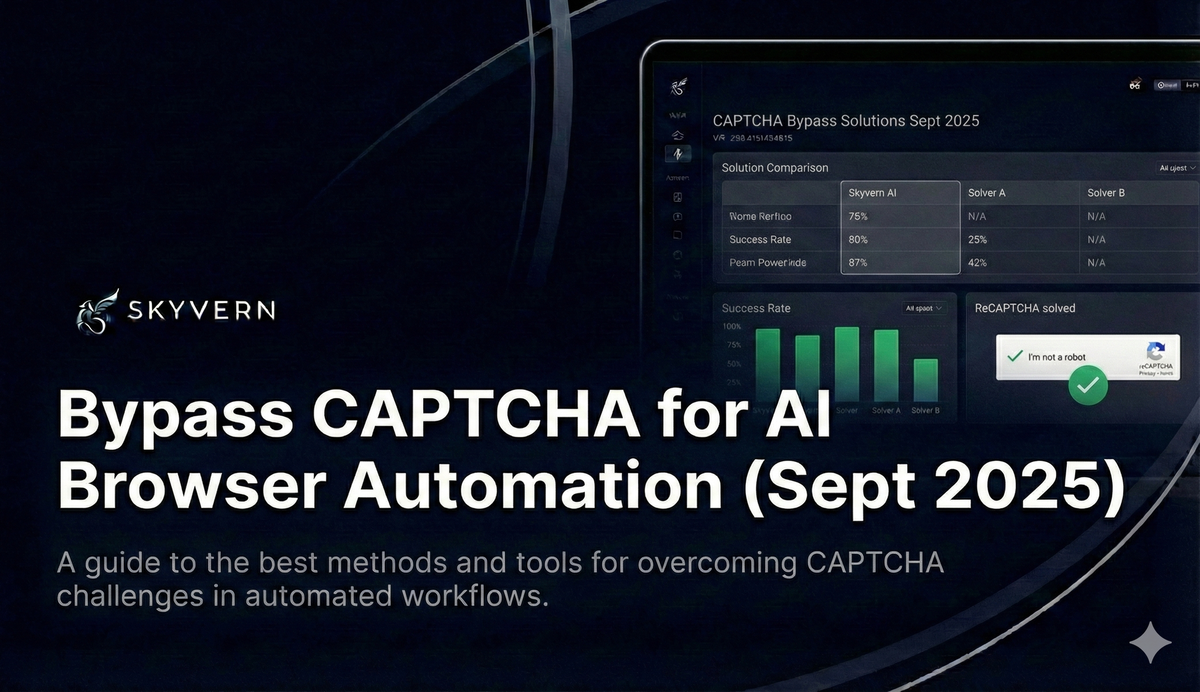
Security remains a primary concern as the number of connected gadgets reaches billions. IPv6 was created with security in mind, offering functions like Secure Neighbor Discovery (SEND) and Cryptographically Generated Addresses (CGA) that assist avoid typical spoofing attacks. In the context of 2026 automation, these features enable more dependable device authentication at the network layer, decreasing the dependence on external security agents that can slow down performance.Automated policy enforcement has actually likewise become more reliable with the broadened address space. Security teams can now designate whole blocks of addresses to particular functions, making it much easier to write firewall rules that are human-readable and machine-executable. Implementing Asia Virtual Solutions XEvil Success Metrics requires a structure where every gadget can be identified and validated without the uncertainty brought on by shared IP addresses. This clearness is a significant consider why 2026 has seen a rise in "zero-trust" automation frameworks.
Connectivity Difficulties in modern urban environments

Despite the advantages, the shift is not without its obstacles. Dual-stack environments, where both IPv4 and IPv6 run all at once, are still common in 2026 as tradition systems are phased out. Handling these environments needs advanced automation tools that can bridge the gap in between old and new procedures. Organizations in the local region are progressively using 464XLAT or NAT64 to allow IPv6-only gadgets to interact with the staying IPv4 internet.These transition mechanisms are becoming more efficient, but they still represent a temporary stage. The objective for the majority of facilities leads in 2026 is to reach an IPv6-only state where the network is easier, quicker, and easier to troubleshoot. Getting rid of the IPv4 stack entirely reduces the attack surface area of the network and streamlines the software application code required to manage automated implementations.
Presence and Tracking for cloud-native operations
With the massive scale of IPv6, conventional tracking tools frequently struggle to maintain. In 2026, visibility into the network is accomplished through flow-based telemetry that is built straight into the silicon of modern switches and routers. This permits real-time tracking of trillions of possible addresses without breaking down the performance of the underlying hardware.Automation systems utilize this telemetry to self-heal. If a specific path in the data center network shows signs of package loss or jitter, the automation controller can quickly reroute traffic using the flexible routing alternatives provided by IPv6. This level of self-optimization was nearly difficult to achieve at scale with the stiff structure of legacy procedures.
The Shift Toward Edge-Native Automation
Edge computing has actually become the dominant architecture in 2026, placing processing power as near the data source as possible. This distributed model relies heavily on IPv6 to offer a worldwide address space that spans from the tiniest sensor to the biggest data center. Without the restraints of NAT, edge devices can interact straight with each other, sharing data and making regional choices without the need to "home" back to a central server.This decentralized method is what enables 2026 automation work to scale to levels that were formerly unthinkable. Whether it is a fleet of autonomous delivery vehicles or a smart grid managing energy throughout an entire territory,. the underlying network should supply a steady and direct connection. IPv6 offers this foundation, making it possible for the next generation of automation to operate with the speed and reliability required for mission-critical tasks.
Standardization and Market Agreement

By mid-2026, market bodies have mostly moved away from supporting IPv4 in new RFCs and requirements. The focus is entirely on optimizing IPv6 for the needs of AI, high-frequency trading, and automated industrial controls. This agreement has actually resulted in a more unified technique to network management, where the exact same tools and protocols are used throughout the public internet and personal intranets.The reduction in protocol intricacy has a direct effect on the bottom line. Networks that are easier to understand are much easier to automate and more difficult to break. As we move deeper into 2026, the gap in between those who have actually embraced IPv6 and those who are still sticking to legacy systems continues to expand. The former take pleasure in a level of agility and scale that makes them more competitive in a progressively automated world.Infrastructure leads are now focusing on long-term stability instead of quick fixes. The shift to IPv6 is viewed not just as an upgrade, however as a total rebuilding of the network for an age where human beings are no longer the primary users of the internet. In 2026, the internet is a network for devices, and IPv6 is the language they speak with ensure that every automated workload has the area it needs to grow.