Comparing High-Performance Virtual Infrastructure Options

Cyber hazard actors (CTAs) are increasingly creating payloads that can carry out throughout Windows, Linux, and even macOS, lowering the requirement for separate codebases and increasing their reach. We'll likely see more unified structures capable of compromising mixed environments with a single campaign.
XEvil proxiesWe're seeing peeks of automation already, such as credential theft, worm-like propagation, and automated payload delivery. For instance, QakBot used automatic techniques for lateral movement throughout a jeopardized network, while Lumma Stealer automated information harvesting. While effective and efficient, neither of these risks nor any other current malware are totally self-governing yet.
That advancement might considerably reduce the time between preliminary access and full compromise. CTAs will try out generative AI (GenAI) and code-assist tools to speed up malware development, enhance obfuscation, or create polymorphic versions on demand. We'll likely see restricted case-by-case examples of this instead of extensive adoption in 2026, as advances in development will still fall short of constant functional use.
Implementing Smart IP Management for Network Resilience
GenAI has likewise become the fantastic equalizer for numerous cybercriminals. What secondhand to take specialized skills and hours of intense effort can now be managed in a matter of minutes leveraging tools anyone can gain access to. From automating analysis of stolen data to profiling targets to developing false identities to leveraging GenAI's capacity for natural language, cybercrime has become more available to a larger audience of potential hazard actors than ever before, and we're likely to see increased use of GenAI for Crimeware as a Service.
Instead of counting on easily flagged IPs or domains that create bottlenecks for detection, adversaries are turning to reputable platforms such as content delivery networks and SaaS suppliers to host credential harvesting pages and other harmful material. Phony login pages hosted on genuine domains might be removed rapidly, so aggressors are seeking chances to simply spin up new subdomains at speed and scale to keep perseverance.
We've seen a clear shift in how adversaries think of effect. They're no longer material with striking one organization at a time. Instead, they're targeting the connective tissue of our digital ecosystem: software application providers, handled company, and other single points of failure. These kinds of security incidents underscore how a single compromise can cascade across sectors and have worldwide impact for hours or perhaps days.
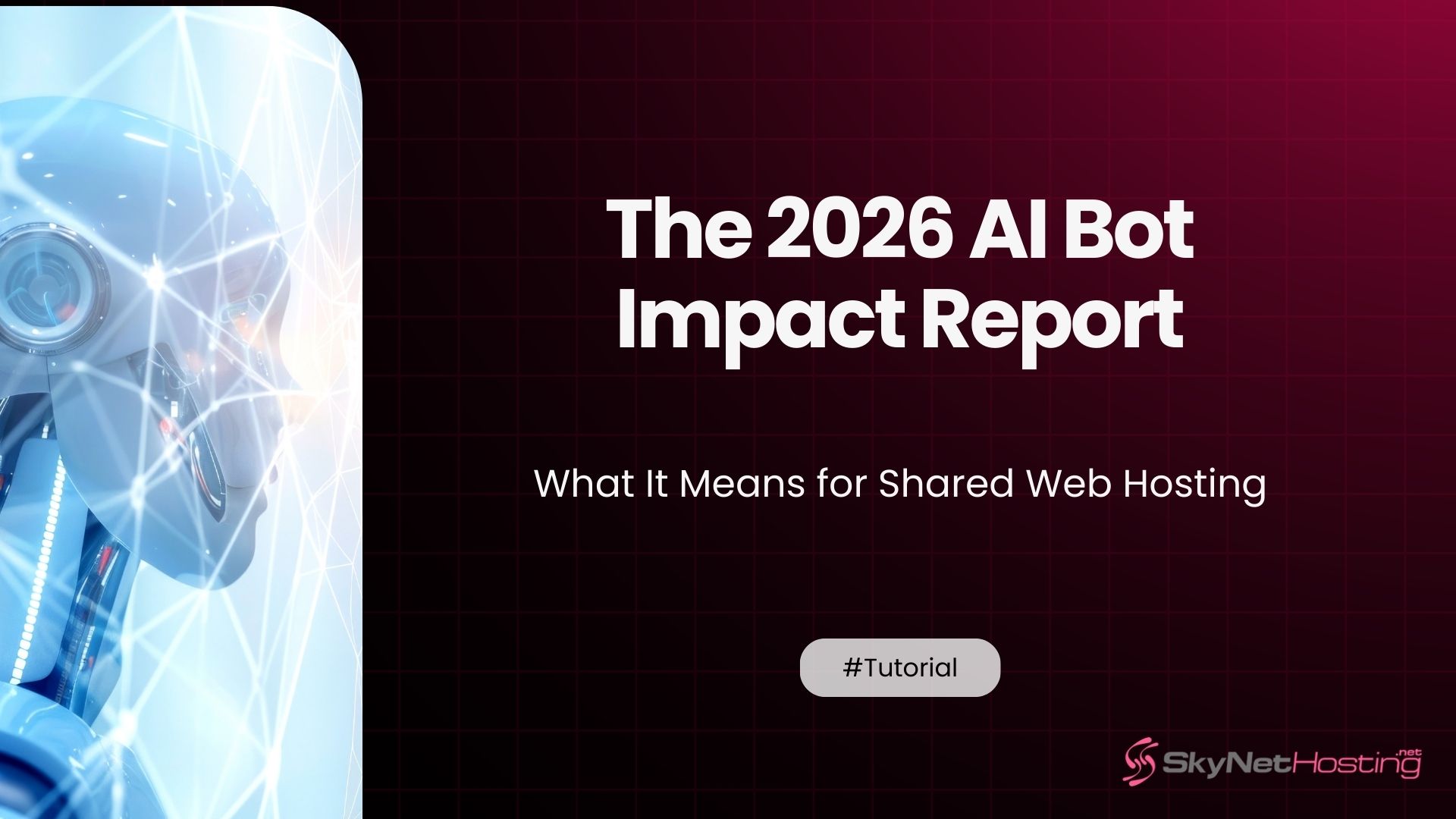
Local networks are tempting targets because they are viewed as less protected, filled with abundant data, and critical to the fabric of our society. 2026 might see a harmful merging of rising attack focus and lessening protective capacity, with the MS-ISAC being one of the few organizations positioned to assist minimize the danger at scale.
Developing Robust Automation Frameworks for 2026
While the latest open LLMs are not correct RAGs, there is most likely to be a shift in 2026 toward RAG designs. These designs combine qualified data with external sources to produce more prompt and relevant responses than a design could generate on its own. From a danger viewpoint, this might present brand-new dangers in the kind of model poisoning, sensitive information leak, and direct exposure of exclusive information if not implemented thoroughly and if those external understanding sources are not thoroughly controlled.
XEvil proxies2026 is an election year, implying that. Operational Technology (OT) and critical facilities will experience a high-impact cyber event, likely tied to a geopolitical conflict, which will lastly trigger. after another major SaaS outage disrupts emergency or civil services, speeding up multi-cloud and "cloud failover" architectures. even as they are progressively hired to carry higher obligation in safeguarding their jurisdictions and critical facilities versus a growing wave of advanced cyber risks.
Municipal networks are tempting targets due to the fact that they are viewed as less defended, complete of abundant information, and vital to the fabric of our society. 2026 might see a hazardous convergence of increasing attack focus and reducing protective capability, with the MS-ISAC being among the few organizations positioned to help in reducing the threat at scale.
While the current open LLMs are not proper RAGs, there is likely to be a shift in 2026 towards RAG designs. These models integrate skilled information with external sources to produce more timely and pertinent actions than a design could produce on its own. From a danger point of view, this might present brand-new dangers in the kind of model poisoning, delicate information leak, and direct exposure of exclusive information if not implemented thoroughly and if those external understanding sources are not thoroughly managed.
2026 is an election year, implying that. Operational Innovation (OT) and important infrastructure will experience a high-impact cyber incident, likely connected to a geopolitical dispute, which will lastly trigger. after another significant SaaS interruption interrupts emergency situation or civil services, accelerating multi-cloud and "cloud failover" architectures. even as they are increasingly hired to shoulder higher obligation in safeguarding their jurisdictions and critical facilities versus a growing wave of sophisticated cyber risks.