Comprehending the Logic Behind Next-Generation AI Security Difficulties
Network Bottlenecks in the 2026 Automation Period
Success in high-frequency information retrieval depends on more than just raw processing power. As the industry moves through 2026, the primary restraint for large-scale automation has moved from CPU cycles to network latency. When systems manage thousands of requests per 2nd, even a five-millisecond hold-up per big salami can build up into substantial functional lag. This truth forces a transition towards decentralized facilities and more efficient request-response patterns. The goal is no longer just to complete a job, however to complete it within a window that keeps the freshness of the data.
Physical range remains the most persistent challenge. Data can not travel faster than the speed of light, and the routing through several hops in conventional data centers includes inescapable overhead. To fight this, many organizations are moving their automation scripts to the edge of the network. By placing reasoning physically more detailed to the target servers, the variety of routers and switches the package should traverse is decreased. This shift is not practically speed however about consistency. Jitter, or the variation in latency, can be more damaging to automated cycles than a consistent however predictable hold-up. A stable 20ms connection is often more suitable to one that fluctuates between 5ms and 50ms.
Optimizing Infrastructure for high-capacity workloads
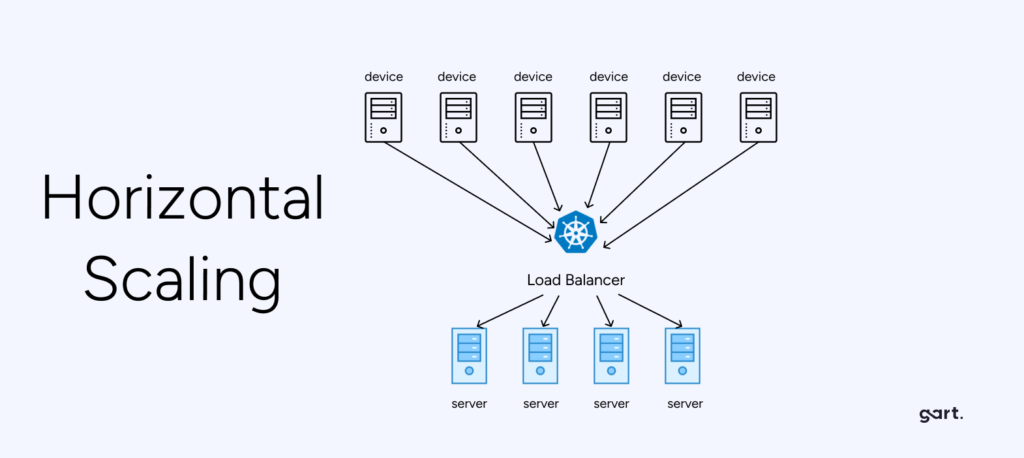
Scaling approximately manage enormous work needs a departure from sequential processing. In previous years, simple scripts would wait for one request to end up before starting the next. In 2026, asynchronous architectures have actually become the requirement. These systems permit thousands of demands to stay in flight concurrently. Managing these concurrent streams requires high-performance network interfaces and specialized hardware that can offload package processing from the primary processor. This prevents the system kernel from becoming a traffic jam when the network card is filled with inbound traffic.
One common solution includes making use of specialized network management tools to manage the heavy lifting of connection pooling. Keeping connections open through keep-alive headers lowers the overhead of the TCP handshake, which is a significant source of latency in short-lived request cycles. When a system performs ten thousand requests, saving the time needed for ten thousand handshakes results in hours of saved time throughout a full day of operation. This effectiveness is required when the target endpoints impose strict time-to-live requirements on their data.
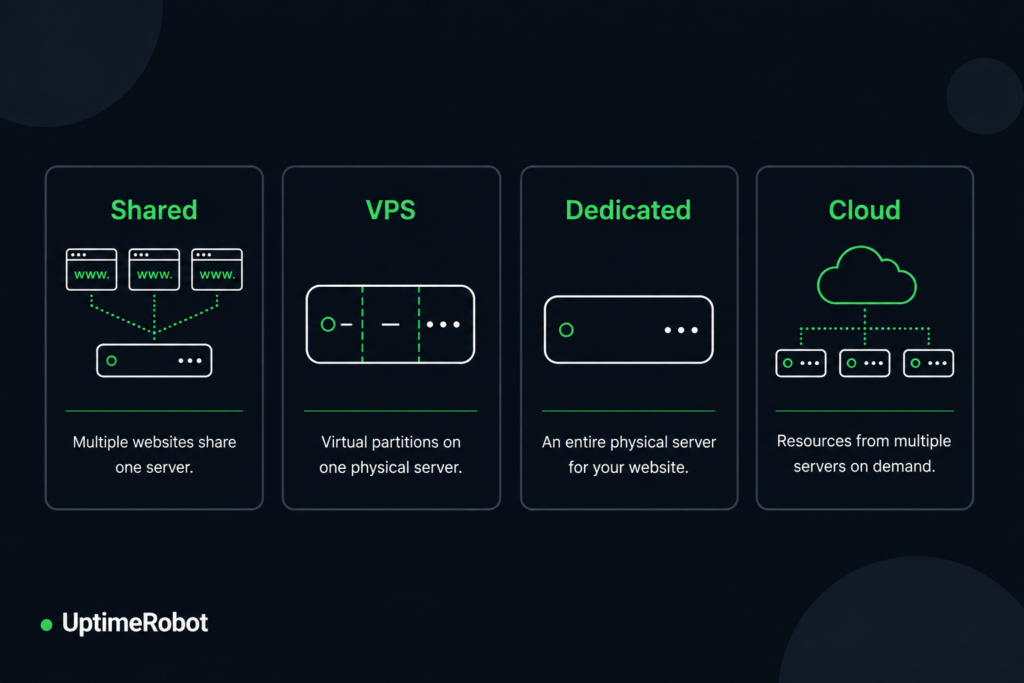
Businesses that invest in Asia Virtual Solutions Setup often see a direct correlation between minimized request times and overall system throughput. High-quality infrastructure makes sure that data packages take the fastest possible path, preventing congested public internet backbones. Rather of counting on standard routing, modern-day automation setups often use personal peering agreements to bypass the noise of basic traffic. This offers a clear lane for information, just like a dedicated carpool lane on a crowded highway.
The Shift to HTTP/3 and Modern Protocols
Protocols play a huge role in how latency is managed. The prevalent adoption of HTTP/3 has actually changed the way automated request cycles work. By utilizing QUIC instead of TCP, the protocol eliminates the head-of-line stopping issue where one lost package could stall a whole stream of information. This is especially beneficial for automation jobs that include bring numerous small assets or data points at the same time. In the current 2026 environment, stopping working to use modern-day protocols is basically leaving speed on the table. The decrease in the variety of round journeys needed to establish a safe connection is a direct win for automation speed.
Another factor is the DNS resolution process. Every time an automated system connects to a brand-new domain, it must look up the IP address. While this takes only milliseconds, doing it consistently at scale is a waste of resources. High-performance automation setups now use regional DNS caching or pre-resolving methods. By keeping a regional map of the most frequently checked out endpoints, the system can jump straight to the connection phase. This permits the system to skip the lookup completely for countless requests daily, substantially tightening the request cycle.
Hardware Considerations for regional nodes
While software application optimizations are frequent, the physical layer is just as essential. In 2026, fiber optic connections are no longer the peak of the mountain however the baseline requirement. Advanced network interface cards now come with devoted memory and processing systems to manage encrypted traffic at the hardware level. This takes the burden off the server's main CPU, enabling it to focus on the information logic instead of the mechanics of the connection. This separation of issues is important for keeping high throughput without system crashes.
When scaling for huge work, the internal bus speeds of the servers also enter play. If the network card can receive data much faster than the system can move it to the RAM, a bottleneck takes place. High-end automation servers in 2026 focus on PCIe 6.0 lanes to guarantee that the information highway stays wide enough for the expected traffic. This becomes particularly important when handling Asia Virtual Solutions Setup where dependability is simply as important as speed. Without enough internal bandwidth, the fastest external connection worldwide can not be fully made use of.
Data Center Geography and Smart Routing
Geographical variety is another strategy utilized to minimize latency. Instead of running all automation from a single central location, distributed nodes throughout several regions allow the system to select the closest origin point for any offered demand. This clever routing reasoning determines the path of least resistance in real-time. If an information center in the eastern region is experiencing congestion, the system can quickly pivot to a node in a different province or state without human intervention. This flexibility ensures that the automation cycle remains undisturbed by localized internet failures.
This level of automation requires an advanced control aircraft. Orchestration tools now keep an eye on network health continuously, adjusting request streams based on live latency metrics. If the round-trip time to a particular target increases by a significant margin, the system can automatically reroute traffic or throttle non-essential jobs to focus on high-value demands. This reactive ability is a basic function in 2026-era facilities, moving far from the static, manual setups of the past.
Proxy Management and IP Rotation

For many automation jobs, managing a varied swimming pool of IP addresses is a technical need. Nevertheless, each layer of proxying adds latency. The challenge is to maintain anonymity and reach while keeping the network path as short as possible. High-performance providers now offer systems that deal with rotation internally, however the most efficient setups frequently utilize direct property or mobile entrances located in the same area as the target server. This proximity lowers the transit time between the proxy and the destination.
Lowering the number of intermediaries is essential. Every time a demand travels through a proxy server, it undergoes a procedure of encapsulation and de-encapsulation. This adds time. Modern solutions minimize this by utilizing thin proxy layers that perform very little processing on the package before sending it on its method. This is essential for tasks like real-time cost tracking or high-speed data acquisition where every second counts. Engineers in 2026 often determine these delays in microseconds to discover the most effective path.
Security and Latency Compromises
Security measures like TLS handshakes and packet assessment are necessary however naturally decrease the cycle. In 2026, the market has approached TLS 1.3, which requires fewer big salami to establish a protected connection. Some environments even use pre-shared keys for known endpoints to avoid parts of the handshake entirely. Balancing the need for information integrity with the need for speed is a constant battle for network designers. They should make sure that the file encryption does not end up being the very thing that makes the automation non-viable.
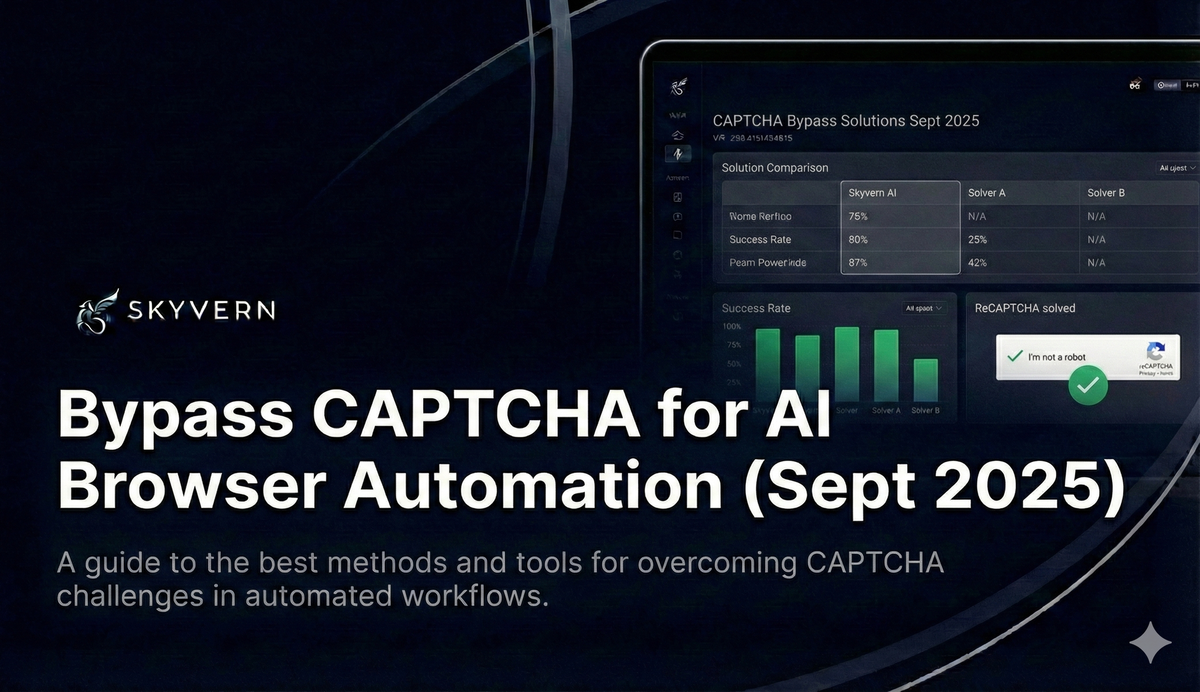
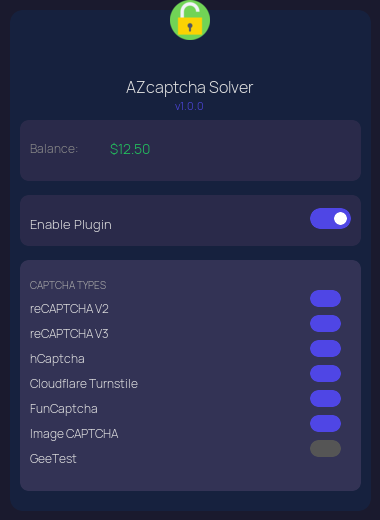
Automated demand cycles likewise deal with obstacles from anti-automation technologies. These systems often inject artificial delays or need complicated challenges to be fixed. Dealing with these without blowing the latency budget requires creative engineering. Offloading challenge-solving to specialized external services can sometimes be faster than attempting to manage it within the primary automation reasoning, provided the connection to that service is optimized for speed. This specialized approach permits the main system to stay concentrated on its main data goals.
Future Trends in Automation Networking
Looking ahead into the latter half of 2026, the focus is shifting towards predictive networking. Artificial intelligence models are being utilized to anticipate network congestion before it happens, allowing systems to shift work to different times or paths preemptively. This proactive approach aims to create an environment where the network is never the restricting consider the automation cycle. As fiber networks broaden and satellite-based internet ends up being more integrated with ground stations, the options for low-latency routing will just increase.
The convergence of edge computing and intelligent routing is producing a new requirement for what is possible. Massive automation is no longer about strength but about the management of data circulations. As long as the volume of worldwide data continues to grow, the pursuit of lower latency will remain a main style for anyone structure at scale. The infrastructure of 2026 proves that even the smallest gains in speed can result in enormous benefits in a world driven by automated request cycles.