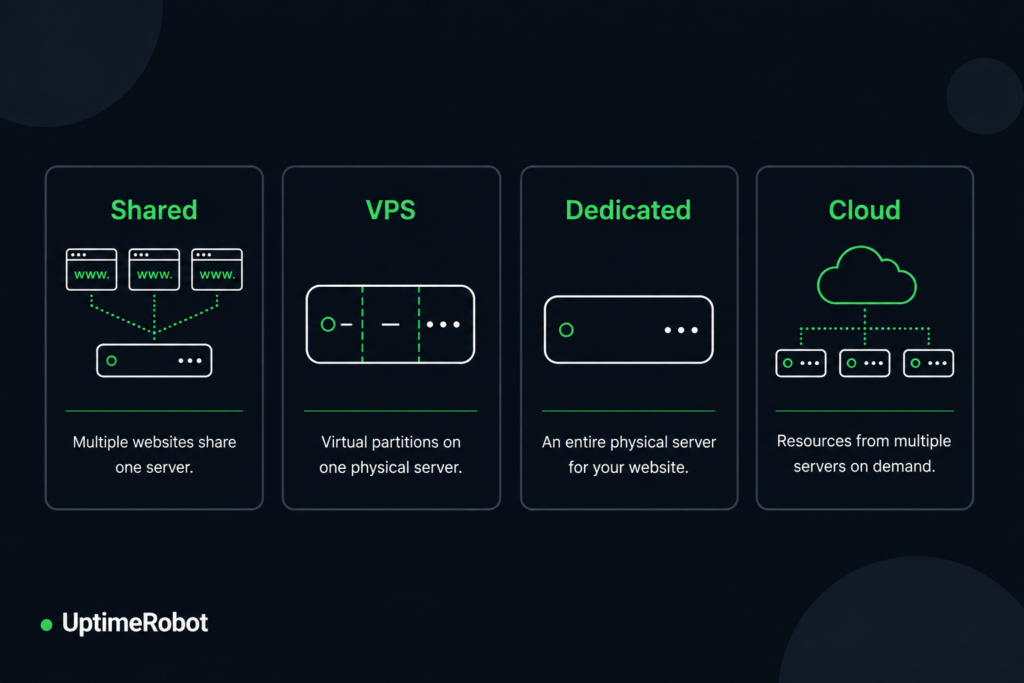
Evaluating the Scalability of Virtual Private Servers for Automation
The State of OCR Precision in 2026
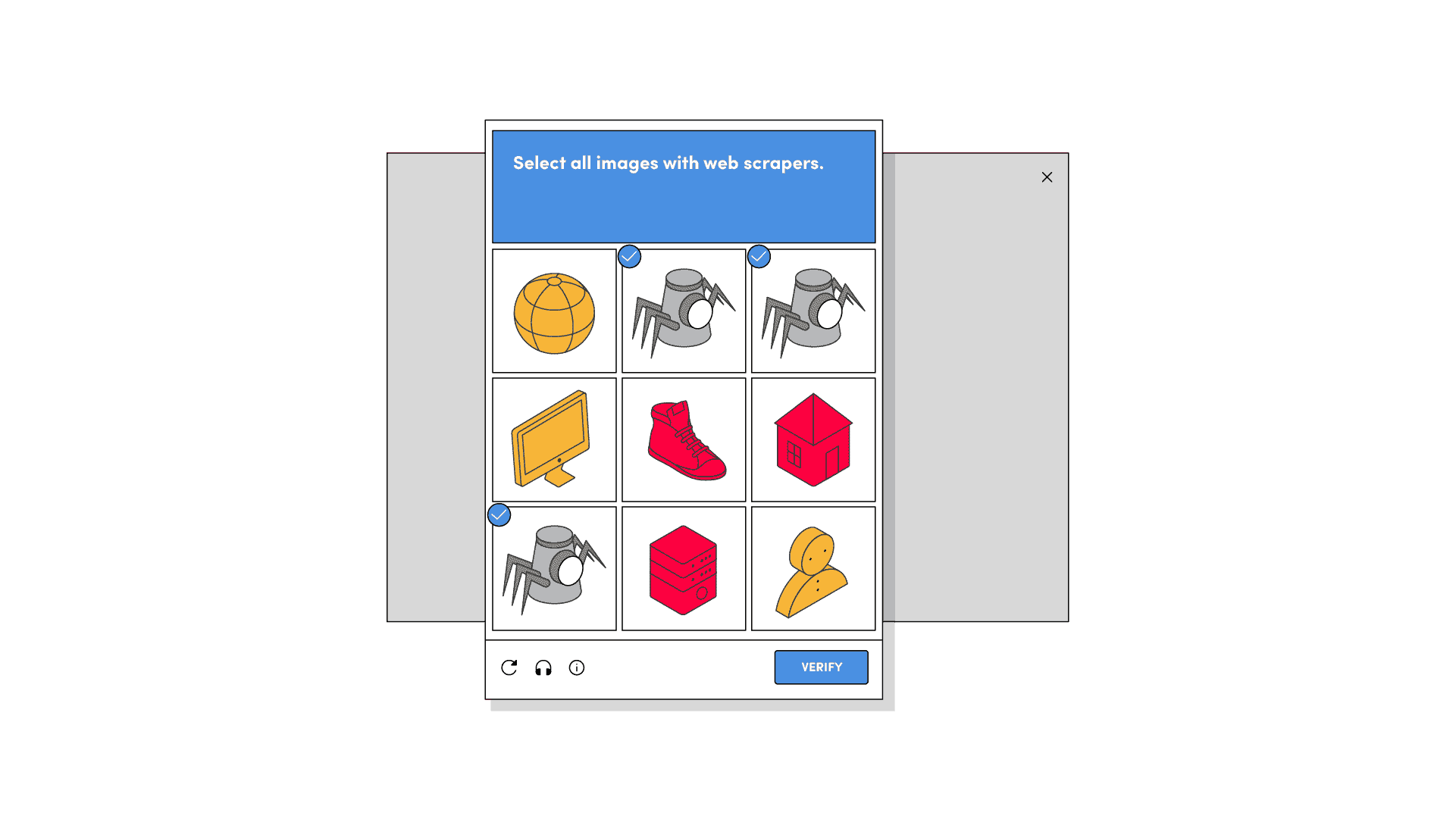
Automated visual acknowledgment technology has actually faced significant pressure as security systems developed rapidly over the last few years. By 2026, the requirement for performance in solver software has actually moved from simple character matching to deep contextual understanding. Security suppliers now utilize multi-layered distortion strategies that as soon as baffled basic algorithms. Existing standards focus on how well software deals with these difficulties without sacrificing speed. Success rates for fixing complex puzzles offer a clear take a look at which tools keep up with modern-day defense systems. Designers and data analysts take a look at these numbers to figure out the viability of numerous automated systems in high-stakes environments.
Optical Character Acknowledgment (OCR) has actually moved away from the rigid design templates of the early 2020s. In 2026, the very best tools utilize neural architectures that imitate human visual processing. This modification is essential since security puzzles now include adversarial noise created particularly to trip up older computer vision models. These sound patterns include color gradients that move based on the audience's perceived angle and "ghost" characters that appear only to non-human sensing units. Checking these tools involves countless iterations to discover the breaking point of the recognition engine. Reliability is no longer measured in binary success however in the self-confidence score appointed to each character identified.
Latency and Throughput Metrics for Solver Software
Speed is just as important as accuracy when examining OCR efficiency in 2026. High-volume operations require action times that remain under the 200-millisecond mark. If a solver takes too long, the session might expire or activate a secondary security layer. Modern benchmarks measure latency from the minute an image is sent out to the minute the text string or coordinate data is returned. High-end software currently maintains sub-100ms response times even when handling high-resolution distortions. This efficiency permits enormous scaling without increasing the hardware footprint.
Processing power requirements have likewise end up being an essential benchmark. In 2026, many solver engines have actually transitioned to NPU-optimized code, which permits them to work on specialized hardware more efficiently than on conventional CPUs. Standards now track the "success per watt" to see how economical a tool is for large-scale information extraction. Software application that requires excessive memory or processing cycles frequently falls behind in the 2026 market. Efficiency in Asia Virtual Solutions V5 has actually become a significant differentiator for teams managing large information pipelines. When software application can process more demands with less resources, the general expense of operation drops significantly.
Managing Adversarial Noise and Image Distortions
Modern security challenges in 2026 use a strategy understood as "Affective Overload." This includes layering several kinds of visual disturbance, such as overlapping lines, variable font weights, and background textures that match the color of the text. Benchmarking software application versus these particular conditions demonstrates how well the OCR engine can separate the main signal. The most effective software application uses a process called "Image De-noising" before the actual acknowledgment phase. This action gets rid of the interference while keeping the edges of the target characters sharp. Efficiency in this location is a strong indication of the underlying AI model's elegance.
Another obstacle is the use of 3D-rendered characters. Rather of flat 2D images, numerous 2026 security systems present puzzles with depth and shadow. An OCR engine should understand the geometry of the characters to determine them correctly. Standards for these scenarios involve turning the 3D objects and screening acknowledgment at various obscure angles. Software that stops working to recognize a "B" just due to the fact that it is slanted 45 degrees is thought about obsolete by today's requirements. Present screening procedures consist of a wide range of these geometric distortions to guarantee the software application is all set for any visual puzzle it might experience.

Behavioral Analysis and Human-Mimicry Benchmarks
In 2026, solving the visual puzzle is only half the battle. Security systems now keep an eye on the habits of the solver to see if it moves like a human. This includes the timing of the clicks and the course the mouse takes across the screen. Advanced solver software now includes "Human-Similarity" modules. Benchmarking these modules involves comparing the created movements against a database of genuine human interactions. If the movement is too direct or the timing is too best, the system gets flagged. Software that successfully mimics human doubt and minor errors actually performs much better in long-term tests.
Success in Asia Virtual Solutions XEvil V5 Demo frequently depends on these subtle behavioral hints. Experts measure the "detection rate" over a duration of 24 hours to see if the security systems adjust to the solver's patterns. If the success rate drops after several hours, it suggests that the behavior is being recognized as automated. The objective for 2026 software application is to preserve a flat success curve, revealing that it remains equivalent from a human user even during heavy use. This requirement has actually resulted in the development of randomized delay algorithms and non-linear pathing engines that are now basic in top-tier solver plans.
The Function of Big Vision Models in 2026
The biggest shift in 2026 OCR technology is the relocation towards Big Vision Designs (LVMs) Unlike older OCR that took a look at one letter at a time, LVMs take a look at the whole image as a single context. This allows the software application to "think" a distorted character based upon the letters surrounding it, similar to a human reader does. Standards for LVM-based solvers show a 40% improvement in precision over conventional CNN-based approaches. Nevertheless, these designs need more data and more training time. The trade-off between the size of the model and its precision is a significant topic of conversation amongst 2026 designers.

Combination with https://www.youtube.com/watch?v=y2JoC0GHEks allows these designs to gain from brand-new security patterns in real-time. When a new kind of distortion appears, the LVM can be upgraded throughout the network in minutes. This rapid adjustment is an essential benchmark for contemporary software suites. We take a look at the "Time to Adjust" (TTA) as a primary metric. If a security update breaks a solver, the length of time does it take for the software to discover a way around it? In 2026, a TTA of more than an hour is considered a failure. The market leaders have actually decreased this to simple minutes through automated model retraining.
Scalability and API Reliability
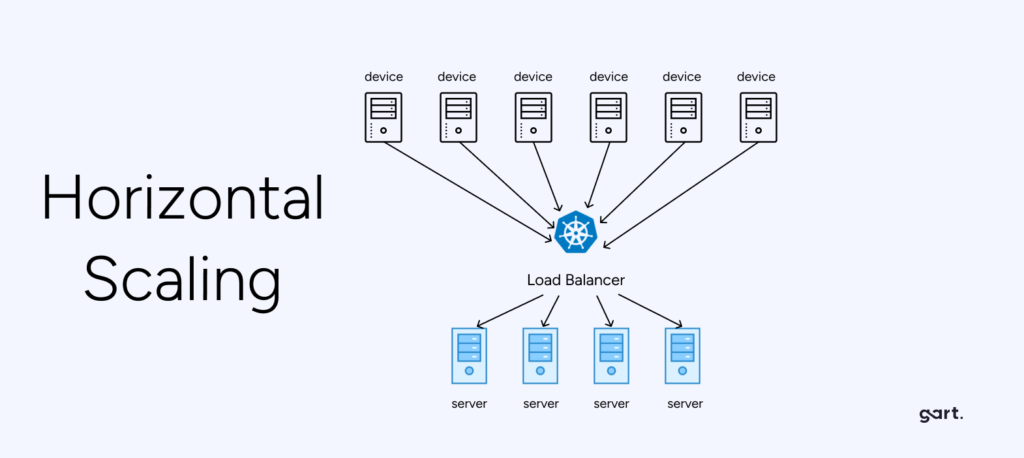
For businesses that depend on these tools, the reliability of the API is a vital benchmark. It does not matter how accurate the software is if the server is down or the connection is unstable. In 2026, we measure API uptime and the frequency of "Empty Reactions." A high-performing solver must have an uptime of 99.9% and a really low mistake rate. Evaluating involves striking the API with thousands of concurrent demands to see if the reaction time stays constant. Modern infrastructure uses edge computing to keep these APIs responsive no matter the user's location.
Expense per successful solve stays the last, essential standard for many. In 2026, the marketplace is competitive, and rates have actually stabilized. Some services provide a "pay-only-for-success" model. This model requires the software companies to keep high accuracy, as they do not make money for inaccurate guesses. Benchmarking the total expense of ownership involves looking at the rate per fix, the hardware expenses, and the human hours needed to preserve the system. Tools that provide high levels of automation and low upkeep requirements always rank higher in 2026 efficiency reviews.
Security measures will likely continue to get harder, but the OCR software application of 2026 has actually proven it can maintain. By focusing on deep learning, behavioral mimicry, and hardware efficiency, these tools offer an essential service for data collection and automated screening. The standards mentioned here use a clear path for assessing which software application deserves the financial investment. As we move even more into 2026, the space in between basic recognition and advanced contextual fixing will just continue to grow. Monitoring these metrics makes sure that automated systems remain effective in a continuously altering digital environment.