Scaling Server Performance for Enterprise Automation Tasks
So, businesses need to concentrate on durability as much as recovery. Businesses must concentrate on: Immutable backups Incident reaction planning Risk intelligence Endpoint Detection & Reaction (EDR) Organization continuity preparation Cyber resilience is now just as crucial as avoidance. Both help companies prepare yourself for, handle, and recover from attacks.
Organizations need to stay up to date with changing rules and preserve client trust. This suggests they also need to enhance their own personal privacy practices. Important top priorities consist of: Information category Encryption Authorization management Privacy-by-design Data Loss Prevention (DLP) Regulatory reporting Personal privacy is becoming a competitive benefit instead of merely a compliance requirement.
Organizations progressively integrate security throughout the software application advancement lifecycle. Protected coding practices Static Application Security Testing (SAST) Dynamic Application Security Testing (DAST) Interactive Application Security Checking (IAST) Software Application Composition Analysis (SCA) Infrastructure-as-Code scanning Finding vulnerabilities early makes repairing them much cheaper.
Choosing High-Speed Server Solutions in 2026
Executives now see cybersecurity as a service danger, not simply a tech problem. Since of this, they're focusing more on resilience metrics. Leading companies now measure: Mean Time to Spot (MTTD) Mean Time to Respond (MTTR) Recovery Time Objectives (RTO) Business connection readiness Third-party cyber danger Executive cyber preparedness Cyber resilience assists companies keep running throughout significant cyber incidents.

To stay ahead of changing cyber risks, companies need to concentrate on: Embracing a No Trust security architecture. Strengthen identity and access management. Purchase AI-powered threat detection and reaction. Safe and secure cloud infrastructure and APIs. Continuously display software application supply chains. Automate security operations wherever possible. Conduct regular penetration testing and vulnerability evaluations.
Constantly review compliance and data personal privacy requirements. These patterns help companies manage a more complicated threat landscape. The future of cybersecurity isn't just about developing more powerful defenses.
Services that invest in cybersecurity now will reduce danger, build customer trust, comply with policies, and get an edge in a digital world. We assist organizations enhance their cybersecurity with complete options for today's changing hazards. Our services include Vulnerability Evaluation & Penetration Testing (VAPT), Managed Detection & Action (MDR), Cloud Security,,, Identity & Access Management, Security Compliance, and AI-driven cybersecurity consulting.
In addition to the rise in supply-chain attacks, IBM X-Force observed a 44% year-over-year boost in the exploitation of public-facing applications. According to the report, public facing applications are frequently made use of due to vulnerabilities and implementation or configuration mistakes; this threat was enhanced by supply chain attacks targeting development ecosystems and relied on infrastructure.
Evaluating High-Speed Server Rental Options in 2026
"We're moving into a world of untrusted systems," stated Bruce Schneier, a cybersecurity and public law expert at the Harvard Kennedy School. (Schneier was also CTO of Resilient Systems, gotten by IBM in 2016 and the originators of IBM X-Forceed.) Solutions are limited, he cautioned, and even the ones frequently recommended, such as greater transparency, only work in ideal conditions.
He kept in mind that numerous companies still lack the presence and proficiency needed to turn that insight into meaningful defense.
As companies race towards an AI-driven future, cybersecurity leaders are under more pressure than ever to protect data, infrastructure, and digital trust. Gartner's Top 10 Strategic Innovation Trends for 2026 provides a powerful preview of where security is headedand what CISOs and IT leaders need to get ready for now. Below is a deep dive into the cybersecurity-relevant trends forming 2026, what they indicate for your service, and why business need to reconsider their security roadmaps today.
Security teams will move from reactive tracking to proactive, AI-assisted danger anticipation and automated remediation. AI-powered security requires compute.
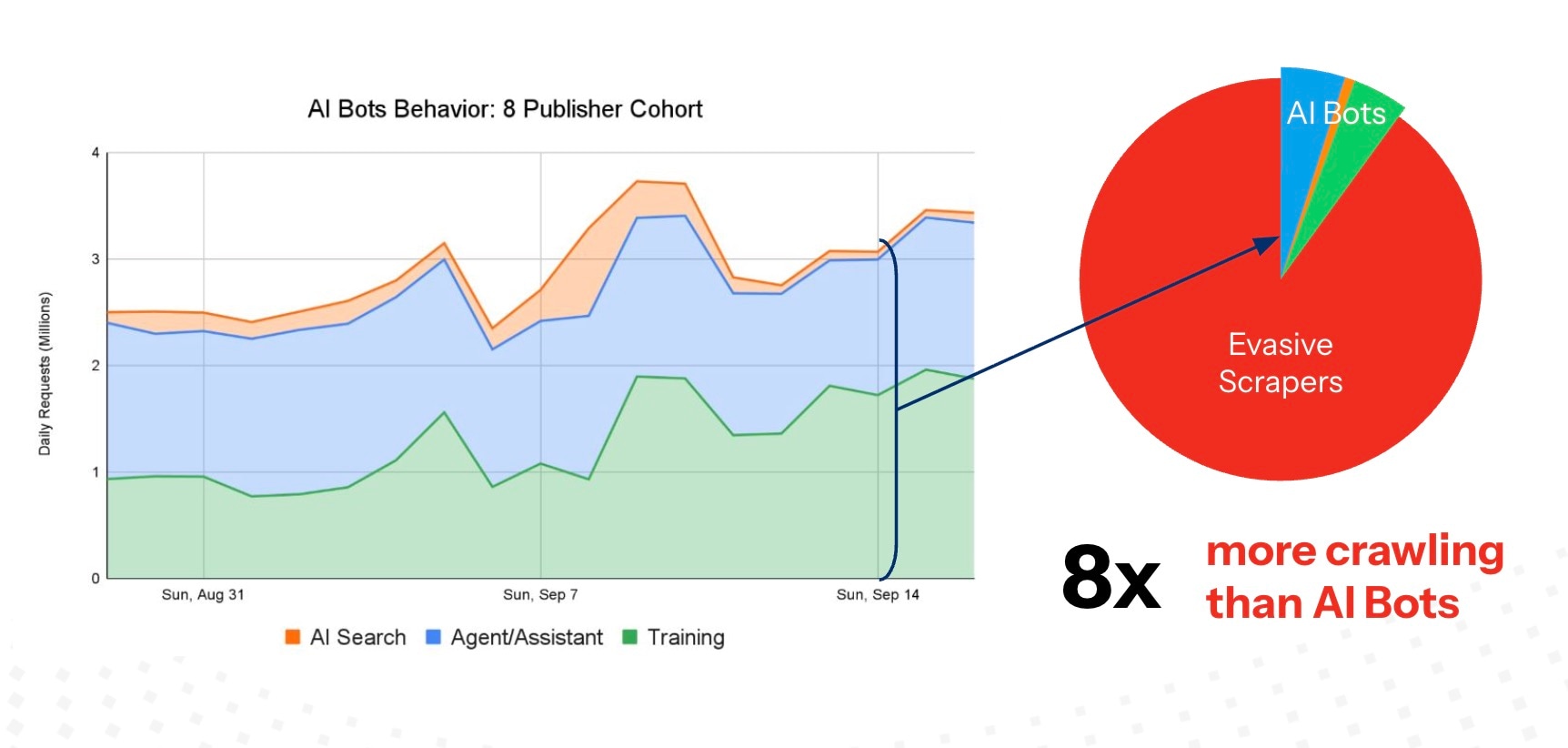
Why Bot Detection Must Adapt in 2026
With delicate information crossing clouds and edge devices, confidential computing is becoming important. It safeguards data not just at rest or in transit, but in useclosing a long-standing security space. It will end up being the gold standard for protecting AI workloads, managed information, and cross-border operations. Multiagent AI systemsmultiple intelligent representatives working togetherwill power more adaptive decision-making throughout applications and security tools.












