The Evolution of Identity Management Systems
Securing cyber-physical systems (CPS) becomes objective important. Companies will shift from reactive response to preemptive defenseusing AI, self-governing agents, and predictive analytics to identify and neutralize dangers before they materialize. Real-time behavioral monitoring Predictive threat scoring Constant automatic reaction AI-orchestrated SecOps platforms As deepfakes, AI-generated content, and manipulated information rise, trust becomes a core business possession.
Organizations will be expected to prove the integrity of their information, code, and AI-generated outputs. Security platforms purpose-built for the AI eracombining continuous learning, self-governing detection, AI-native response, and real-time visibilitywill ended up being fundamental infrastructure. Autonomous SOC assistants AI-driven incident reaction tools Continuous attack surface management (ASMs) AI-powered risk detection engines This is where cybersecurity consolidates into merged, AI-native SecOps communities.
The 2026 landscape demands a various kind of security strategyone rooted in AI-native technology, automation, predictive intelligence, and resilient digital trust structures. ... these and similar advancements created new dangers for companies like yours in 2025. In doing so, they moved the conversation around your cybersecurity and compliance concerns going forward.
Where do you focus your efforts? To put next year into context, we spoke to 7 specialists at the Center for Web Security (CIS) about their 2026 cybersecurity forecasts.
Dangers and dangers facing these organizations continue to grow and become more sophisticated. Organizations require help in the method of preparation, training, and support to challenge skill shortages all while browsing an absence of financing. We will start believing more about the risk and implications of quantum technologies. This will begin with quantum-safe algorithms, and we will continue to see if the technology ends up being commercialized.
In 2026,, such as least fortunate access policies, lessening attack vectors, and vulnerability and patch management. Foes are using AI to shorten the time from the publication of a security bulletin to an attack in the wild considerably. Research study has revealed the ability to reverse engineer supplier security update notifications into exploitable code within hours.
proxies for XEvilAdvances in Identity Management Automation
Security upgrade procedures must evolve from scheduled patching windows to a CI/CD technique for greater seriousness vulnerabilities. In 2026, AI will move from speculative deployments to completely operationalized elements within Security Operations Centers (SOCs). AI will no longer be restricted to anomaly detection or log analysis; rather, it will be embedded across the entire occurrence lifecycle from hazard identification and prioritization to automated containment and remediation.
For those who advocate for scalable and mission-aligned cybersecurity services, this marks a turning point. AI will allow company to provide Cybersecurity as a Service with greater accuracy, speed, and cost-efficiency. It will likewise support police by automating the connection of risk actor habits and speeding up proof collection.
In 2026, the cybersecurity landscape will demand more specific platforms that make it possible for real-time, actionable hazard intelligence sharing between cybersecurity groups and police. These platforms will surpass traditional Info Sharing and Analysis Center (ISAC) models, incorporating forensic information, behavioral analytics, and legal workflows to support examinations, prosecutions, and coordinated response efforts.
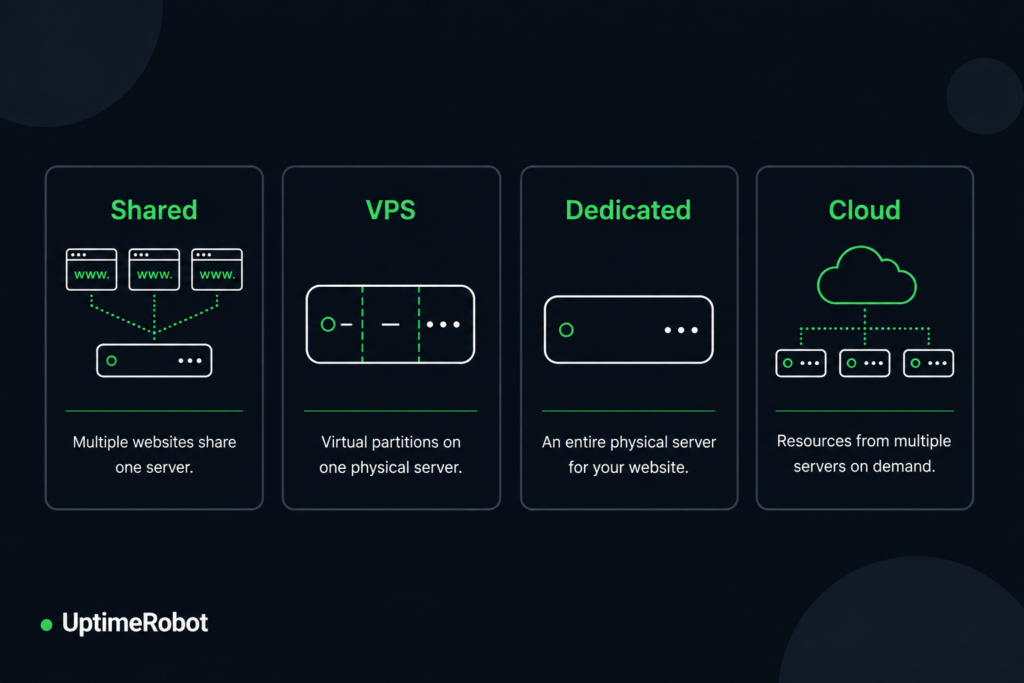
Reviewing High-Performance Dedicated Infrastructure Options
SLTT agencies and law enforcement will require tools that not just discover dangers but likewise translate technical indications into investigative leads. These platforms will likely consist of features such as: Chain-of-custody tracking for digital evidence Automated correlation of danger actor techniques, techniques, and treatments (TTPs) with known criminal profiles Safe channels for cross-jurisdictional collaboration Integration with nationwide and worldwide watchlists Starting in 2026, zero trust architecture (ZTA) will transition from a best practice to a regulatory requirement for public sector organizations.
SLTTs through compliance frameworks, procurement requirements, and cybersecurity grant conditions. The shift will be driven by the requirement to minimize systemic danger, particularly in environments where tradition infrastructure and decentralized gain access to designs have actually left companies vulnerable to lateral motion and identity-based attacks. The obstacle will be making sure that zero trust doesn't end up being a check-the-box exercise and that adoption of zero trust earnings in a way that's useful, scalable, and aligned with their agency's functional realities.
from our Security Operations and Intelligence department. Cyber hazard stars (CTAs) are increasingly designing payloads that can perform throughout Windows, Linux, and even macOS, lowering the requirement for different codebases and increasing their reach. We'll likely see more unified frameworks efficient in compromising mixed environments with a single project. The malware itself will likely be more of the very same we'll still be discussing infostealers, loaders, ransomware, and spyware and much of it will come from familiar households.
We're seeing glimpses of automation already, such as credential theft, worm-like proliferation, and automated payload delivery. While effective and efficient, neither of these threats nor any other existing malware are totally autonomous.

Advances in Identity Management Systems
That evolution might dramatically shorten the time in between preliminary access and full compromise. CTAs will experiment with generative AI (GenAI) and code-assist tools to accelerate malware development, improve obfuscation, or produce polymorphic variants on need. We'll likely see limited case-by-case examples of this rather than prevalent adoption in 2026, as advances in advancement will still disappoint consistent functional usage.
GenAI has also become the fantastic equalizer for numerous cybercriminals. What used to take specialized skills and hours of extreme effort can now be managed in a matter of minutes leveraging tools anyone can gain access to. From automating analysis of stolen information to profiling targets to producing incorrect identities to leveraging GenAI's capacity for natural language, cybercrime has become more accessible to a wider audience of potential hazard actors than ever in the past, and we're most likely to see increased usage of GenAI for Crimeware as a Service.
Instead of relying on quickly flagged IPs or domains that produce bottlenecks for detection, adversaries are turning to trustworthy platforms such as content shipment networks and SaaS suppliers to host credential gathering pages and other harmful material. Phony login pages hosted on genuine domains may be taken down rapidly, so opponents are seeking opportunities to just spin up new subdomains at speed and scale to keep determination.
They're no longer content with hitting one organization at a time. These types of security events highlight how a single compromise can cascade across sectors and have worldwide impact for hours or even days.