The Future of Cybersecurity Trends in 2026

Danger actors have progressively shifted focus from traditional codeinjection attacks to more comprehensive supply chain compromise strategies. CSO Online exposes that 3 in 5 organizations (71 %) experienced a material thirdparty security incident in 2025.
This wider threat landscape needs holistic supply chain security techniques. Organizations should attend to software and hardware, infrastructure services, and constant thirdparty risk tracking. As organizations rely more on cloud, containers, and APIs, enemies make use of weaknesses across all 3 to bypass traditional security layers. According to SQ Publication's cybersecurity attacks data 2026 report, containers and cloud misconfigurations are contributing to run the risk of.
This is why security needs to address the full stack. It ought to comprise cloud platforms, container orchestration, and API endpoints instead of treating them as separate domains. Integrated controls and runtime observability have actually become vital defenses. Operational Innovation (OT), Industrial IoT (IIoT), and other vital facilities systems are no longer peripheral targets.
This increased exposure broadens the attack surface area, driven by spaces in configuration management and delayed patching practices. From energy grids to manufacturing lines, disruptions in OT/IoTcontrolled environments can lead to safety dangers, service blackouts, and economic loss.
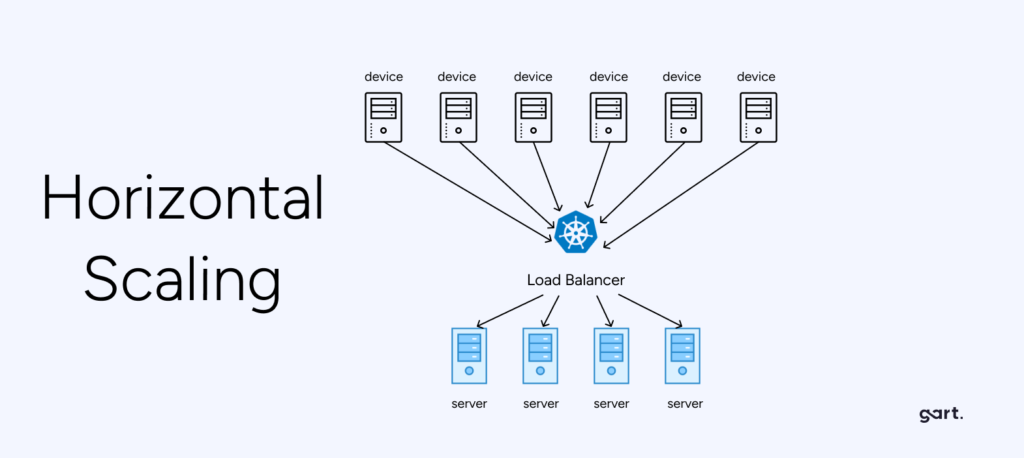
Scaling Server Performance for Enterprise Automation Workloads
Enemies are moving their focus to the human layer using more innovative and deceptive techniques., deepfake AI-led fraud cases rose by 1,300% year-over-year.
Companies need to verify sensitive requests using numerous channels and train workers to recognize deepfake efforts. They should implement AI-based detection tools to flag suspicious audio or video communications. It's important to implement strict approval workflows for monetary or gain access to requests and display for anomalous behaviour patterns even when interactions appear legitimate.
Cybersecurity has actually ended up being a service need, not simply an IT concern. As companies accelerate digital transformation, adopt AI innovations, scale their cloud systems, and assistance hybrid work, cyber hazards are progressing faster than ever. Enemies are getting quicker, smarter, and advanced. They use artificial intelligence, automation, and social engineering to discover and exploit weaknesses faster than in the past.
XEvil proxiesIn 2026, businesses need to move from responding to risks to building proactive cyber strength. Now, cybercriminals use AI to automate phishing, produce persuading deepfakes, bypass traditional security steps, and discover vulnerabilities much faster than before.
Create sensible voice and video deepfakes. Automate vulnerability discovery Avert traditional detection systems. Introduce smart malware that adapts during execution. Organizations ought to use AI-powered security tools that identify unusual behavior, not just rely on signature-based detection. AI-driven danger detection Behavioral analytics Device finding out for anomaly detection Security automation Conventional security that concentrates on the network boundary is ending up being outdated.
Analyzing Cybersecurity Trends in 2026
So, it's no longer safe to trust users even if they're on the company network. follows one easy concept: "Never Trust. Always Verify." Organizations are executing: Absolutely no Trust helps in reducing the risk of attacks and gives much better exposure to users and gadgets. It creates a more regulated and clearer security environment.
Instead of assaulting firewall programs, assailants progressively target user identities through credential theft, session hijacking, OAuth abuse, and MFA tiredness attacks. Modern identity security now consists of: Password less authentication Identity Hazard Detection & Reaction (ITDR) Adaptive authentication Privileged Access Management (PAM) Continuous identity monitoring Organizations that concentrate on identity-first security lower the risk of account breaches.
Cloud adoption continues to proliferate across markets. However misconfigured cloud setups remain a leading reason for data breaches. That's why security teams are constructing stronger cloud defenses. Security groups are buying: Cloud Security Posture Management (CSPM) Cloud Workload Defense Platforms (CWPP) Cloud-Native Application Defense Platforms (CNAPP) API security Container security Kubernetes security Security is now being built right into cloud deployment pipelines.
XEvilModern applications depend upon countless third-party libraries, APIs, and open-source parts. Opponents are progressively targeting software suppliers to reach their clients. As an outcome, companies are making supply chain security a top priority. Organizations now prioritize: Software Bill of Products (SBOM) Protected SDLC Code signing Dependence scanning Constant vulnerability tracking Third-party risk assessments Supply chain security is no longer optional.