Understanding Smart IP Rotation for Enterprise Resilience

Services need to focus on strength as much as healing. Services need to focus on: Immutable backups Event action planning Danger intelligence Endpoint Detection & Reaction (EDR) Business connection preparation Cyber durability is now just as essential as avoidance. Both assistance companies get all set for, handle, and recuperate from attacks.
Organizations require to stay up to date with changing rules and keep consumer trust. This suggests they also need to enhance their own personal privacy practices. Essential priorities include: Data classification File encryption Consent management Privacy-by-design Data Loss Avoidance (DLP) Regulatory reporting Privacy is ending up being a competitive advantage instead of merely a compliance requirement.
Organizations progressively integrate security throughout the software application development lifecycle. Safe and secure coding practices Static Application Security Evaluating (SAST) Dynamic Application Security Testing (DAST) Interactive Application Security Testing (IAST) Software Structure Analysis (SCA) Infrastructure-as-Code scanning Discovering vulnerabilities early makes repairing them much less expensive.
Benefits of Deploying High-Speed VPS Infrastructure
Executives now see cybersecurity as an organization threat, not simply a tech concern. Due to the fact that of this, they're focusing more on durability metrics. Leading organizations now determine: Mean Time to Detect (MTTD) Mean Time to Respond (MTTR) Recovery Time Objectives (RTO) Business connection preparedness Third-party cyber threat Executive cyber preparedness Cyber durability assists companies keep running throughout significant cyber events.
To remain ahead of changing cyber dangers, companies need to focus on: Embracing an Absolutely no Trust security architecture. Invest in AI-powered hazard detection and reaction. Automate security operations any place possible.
Foster a security-first culture through continuous worker awareness training. Continually evaluation compliance and information privacy requirements. In 2026, is all about intelligence, automation, strength, and proactive defense. These trends help companies manage a more intricate risk landscape. The future of cybersecurity isn't just about developing stronger defenses. It has to do with creating flexible, resilient systems that can rapidly and with confidence predict, identify, react to, and recover from attacks.
XEvil performanceBusinesses that invest in cybersecurity now will lower risk, construct consumer trust, adhere to guidelines, and gain an edge in a digital world. We assist companies improve their cybersecurity with complete options for today's altering threats. Our services include Vulnerability Assessment & Penetration Screening (VAPT), Managed Detection & Response (MDR), Cloud Security,,, Identity & Access Management, Security Compliance, and AI-driven cybersecurity consulting.
In addition to the increase in supply-chain attacks, IBM X-Force observed a 44% year-over-year boost in the exploitation of public-facing applications. According to the report, public dealing with applications are typically made use of due to vulnerabilities and deployment or configuration errors; this risk was amplified by supply chain attacks targeting development environments and trusted infrastructure.
Understanding Smart IP Rotation for Network Privacy
"We're moving into a world of untrusted systems," said Bruce Schneier, a cybersecurity and public law professional at the Harvard Kennedy School. (Schneier was also CTO of Resilient Systems, obtained by IBM in 2016 and the begetters of IBM X-Forceed.) Solutions are scarce, he warned, and even the ones commonly recommended, such as greater transparency, only work in ideal conditions.
He noted that many companies still do not have the visibility and know-how required to turn that insight into significant defense.
As organizations race toward an AI-driven future, cybersecurity leaders are under more pressure than ever to secure data, infrastructure, and digital trust. Gartner's Leading 10 Strategic Technology Trends for 2026 provides an effective preview of where security is headedand what CISOs and IT leaders need to prepare for now. Below is a deep dive into the cybersecurity-relevant patterns forming 2026, what they indicate for your business, and why companies should reconsider their security roadmaps today.
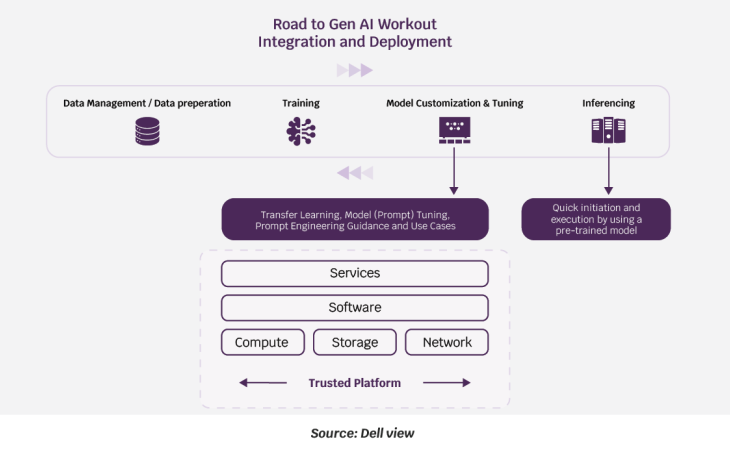
Unlike traditional platforms retrofitted with AI, AI-native systems discover continuously, automate decision-making, and reinforce detection and reaction at machine speed. Security groups will move from reactive tracking to proactive, AI-assisted danger anticipation and automated remediation. AI-powered security needs calculate. As threat actors take advantage of AI at scale, companies must match that speed with next-gen calculate power efficient in processing enormous datasets, running complex danger models, and enabling real-time analytics.
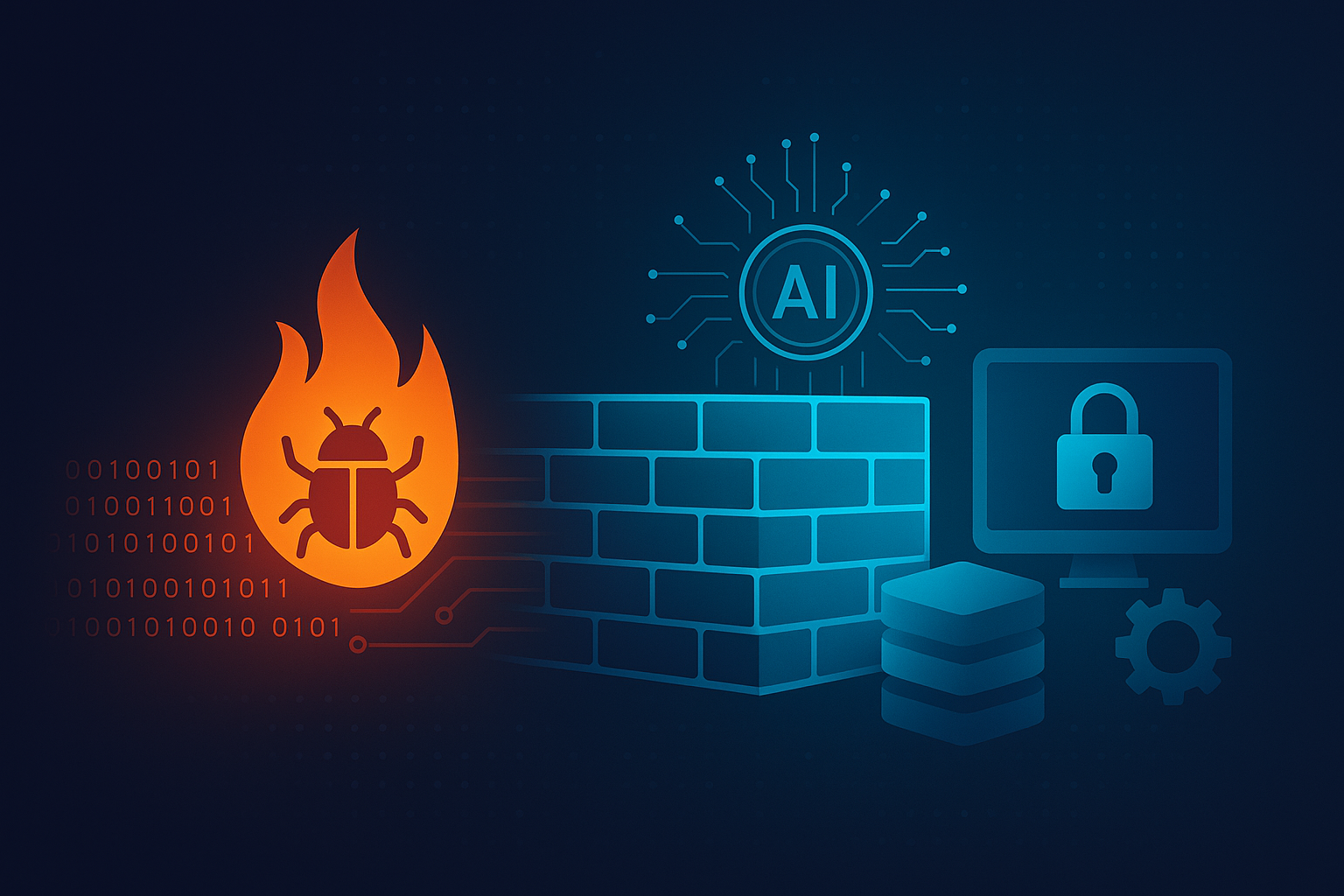
Securing Distributed Systems in the AI Era
With delicate information crossing clouds and edge gadgets, personal computing is becoming necessary. It safeguards data not simply at rest or in transit, however in useclosing a long-standing security space. It will end up being the gold requirement for securing AI workloads, controlled data, and cross-border operations. Multiagent AI systemsmultiple intelligent representatives working togetherwill power more adaptive decision-making throughout applications and security tools.