Why Behavioral Analysis Is Exceeding Standard Bot Detection Techniques
The Evolution of Automated Submissions in 2026
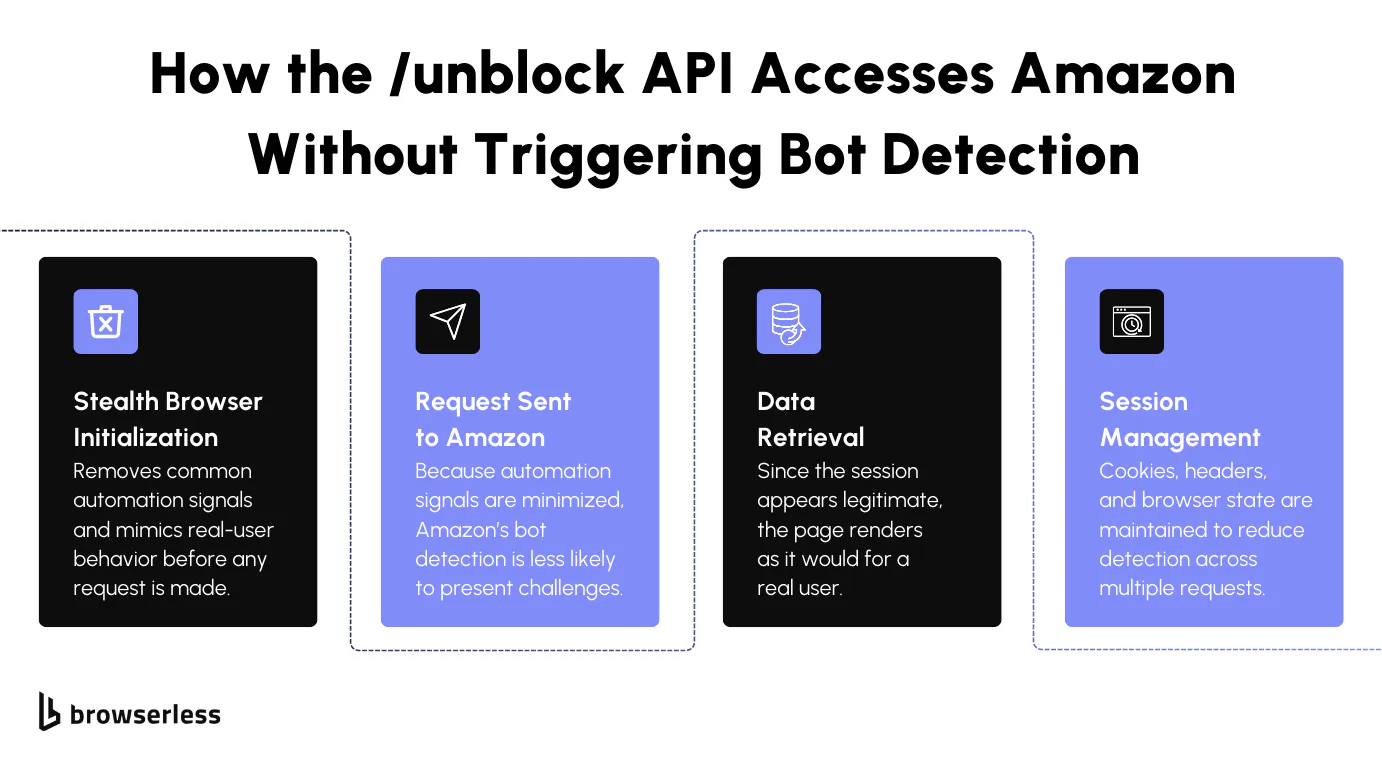
The digital environment of 2026 has actually ended up being a theatre of high-stakes interaction between automated submission tools and significantly paranoid security filters. Five years earlier, basic scripts might complete types or browse portals with minimal resistance. Today, the situation is significantly different. Site owners and service providers use sophisticated behavioral analysis to distinguish between a real individual and a maker. This shift has actually forced a new generation of human emulation software to emerge, focusing less on speed and more on the flaws and peculiarities of human behavior.Submission systems in 2026 no longer just search for "bot-like" activity; they look for the lack of "human-like" chaos. When a person utilizes a browser, they do not move their mouse in straight lines. They do not click buttons at exactly 200-millisecond periods. They stop briefly to read, they scroll past the intended target and backtrack, and they periodically move the cursor aimlessly while believing. Modern emulation tech integrates these micro-behaviors to ensure that automated information entry looks indistinguishable from a user being in a local office.
Advanced OCR and the Death of Conventional Captchas
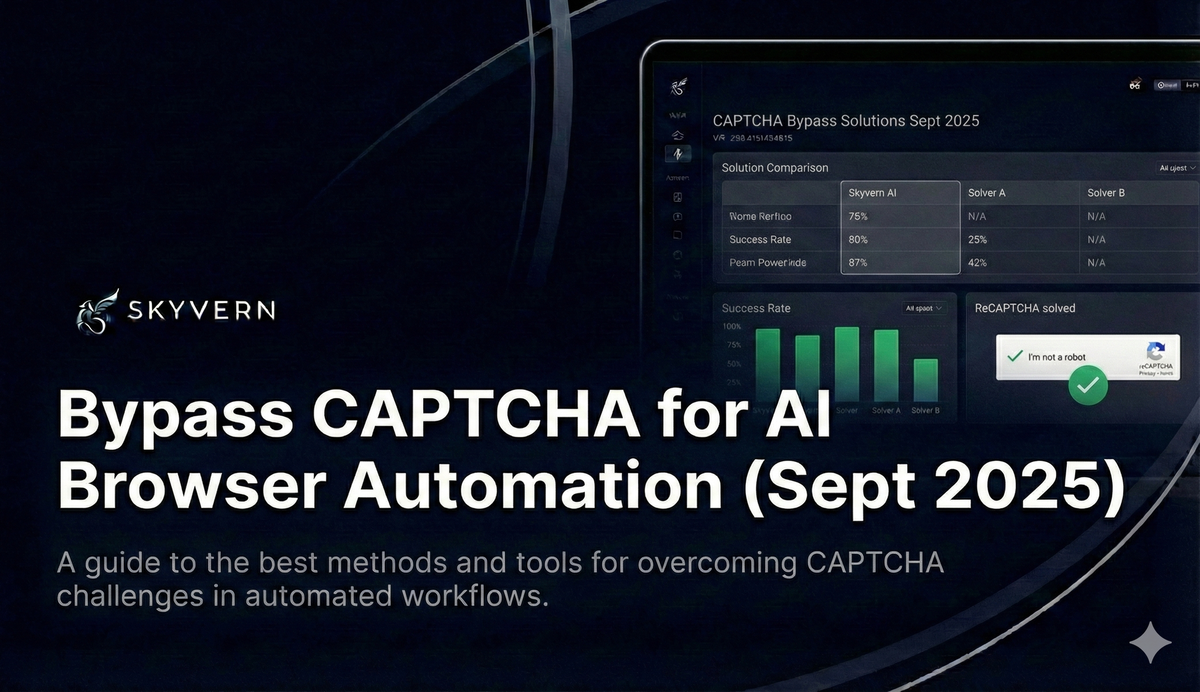
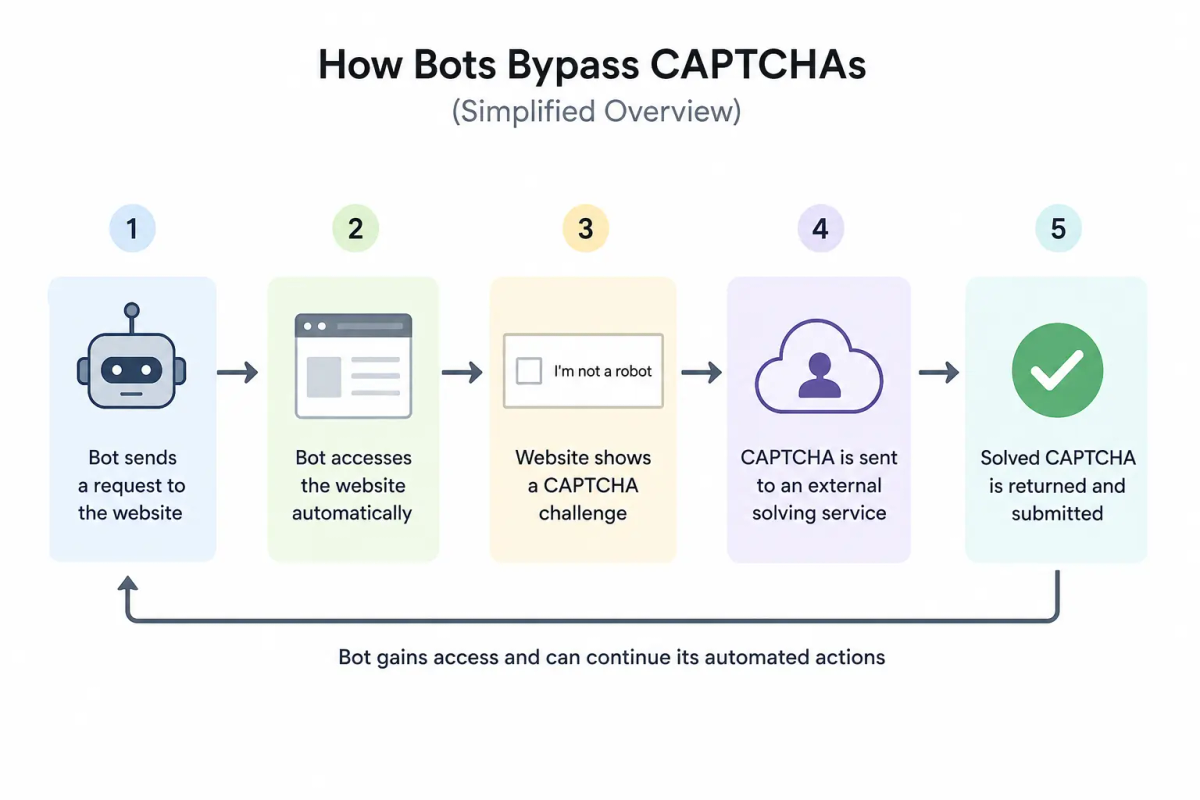
Optical Character Recognition (OCR) has gone through an enormous shift. In the early 2020s, OCR was about reading distorted text. By 2026, the puzzles have actually changed. Security systems now present 3D spatial reasoning jobs or logic-based visual difficulties. A user may be asked to "determine the shadow that does not match the things" or "arrange these items in order of their normal weight." Traditional pattern matching can not resolve these. Rather, 2026-era submission tools utilize neural networks trained on physical properties and logic. These models understand that a plume is lighter than a brick, even if the images are stylised or distorted. This level of understanding permits the automation of intricate tasks in technical data management without the requirement for manual human intervention at every gate. Success in these high-friction environments frequently depends on Asia Virtual Solutions Software to bridge the gap between maker logic and human-centric security concerns.
Bypassing Behavioral Biometrics
The most considerable hurdle for automation in 2026 is behavioral biometrics. Websites now track "flight time" (the time in between launching one secret and pushing the next) and "dwell time" (for how long a key is held down) Every individual has a distinct typing rhythm. Automated systems that fire off text into a field at one time are instantly flagged. Next-gen human emulation software generates a distinct typing profile for every single submission session. It presents variable hold-ups, replicates the occasional typo followed by a correction, and even imitates the way a person might use the tab crucial versus the mouse to move between fields. This level of detail is essential for any job involving large-scale digital submissions where the target sites have high security thresholds. By differing these patterns, the software application avoids producing a "fingerprint" that would permit security algorithms to group various submissions as originating from the very same source.
Internet Browser Fingerprinting and Hardware Spoofing
Beyond habits, the browser itself is a free gift. In 2026, site security probes the deepest layers of the internet browser environment. They take a look at the GPU vendor, the variety of CPU cores, the exact variation of audio motorists, and even how the browser renders specific fonts. Most fundamental automation tools stop working since they use "headless" browsers that do not have these specific hardware markers.Advanced emulation layers now obstruct these probes. When a site requests for the screen resolution or the readily available memory, the software offers a possible, randomized response that matches a real-world gadget. This is especially crucial for operations targeting specific regional markets where localized web browser configurations might be anticipated. Without this hardware-level spoofing, the most human-like mouse movements in the world would still be neglected by a site that sees a "headless" Chrome signature.
The Role of AI-Driven Logic in Complex Types
Types are longer and more interactive than they used to be. Many sites in 2026 use conditional reasoning where the next question changes based upon the previous response. Standard automation frequently breaks when faced with these vibrant aspects. The existing service involves Large Language Models (LLMs) that can read and translate form labels in real-time. These systems do not just look for a field called "Telephone number." They understand context. If a kind requests for "a method to reach you throughout company hours," the AI recognizes this as a contact field and chooses the appropriate data point from its database. This semantic understanding is a core component of Asia Virtual Solutions XEvil Beta Software and enables a much greater success rate when dealing with custom-built websites in various jurisdictions.
Proxies and Geographical Credibility
The origin of the connection stays a main signal for bot detection. In 2026, information centers are almost widely obstructed by high-security submission targets. The market has shifted totally towards property and mobile proxy networks. These networks offer IP addresses that belong to actual homes and mobile gadgets in metropolitan areas. However, simply having a residential IP is no longer enough. Security systems now look for "IP track record" and consistency. If a submission claims to be from a user in a specific town but the internet browser's biological rhythm is set to a different time zone, the session is ended. Emulation software need to integrate every element of the browser environment-- language headers, time zones, and even the "latitude and longitude" reported by the browser-- with the proxy being utilized.
Managing Session Perseverance and Cookies
A major error in older automation was treating every submission as a "fresh start." In 2026, security filters find it suspicious if a user reaches an intricate submission page with zero browser history and no cookies. It appears like a freshly set up browser, which is a common characteristic of automated scripts.To counter this, modern emulation involves "heating up" a profile. The software application might search other typical websites, accept some cookies, and develop a small cache before even attempting the primary submission. This produces a "digital trail" that makes the final action look like the natural conclusion of a searching session. This strategy has become basic practice for those dealing with sensitive information transfers in the broader region.
The Impact of Machine Learning on Detection Defenses
The arms race is circular. As emulation software application uses AI to simulate humans, bot detection systems utilize maker discovering to find the AI's "tells." There is a subtle paradox in 2026 where software application is combating software application to prove it is not software. Detection algorithms are now trained on countless hours of genuine human browsing data, searching for the tiny mathematical perfections that AI still sometimes leaves behind.This has actually led to the advancement of "GAN-based" emulation (Generative Adversarial Networks) One part of the software tries to perform the submission, while another part attempts to "catch" it. By constantly competing versus itself, the emulation software refines its movements and timing up until its own detection algorithm can no longer tell the difference. This self-improving loop is what keeps automated submissions feasible in an age of extremely high security requirements.
Looking Toward completion of 2026
As we move through 2026, the focus is shifting towards "biological" emulation. Some speculative systems are starting to mimic the physical limitations of a human hand on a mobile screen, accounting for things like the "fat finger" result where a touch event covers a larger area than a mouse click. They likewise mimic the slight tilt of a phone as a user types, using the gadget's replicated accelerometer.For companies and researchers who rely on these tools, the complexity is high but the benefits are significant. Effective automation permits data collection and submission at a scale that manual groups might never match. Whether it is for competitive analysis or managing large volumes of applications, the ability to bypass modern filters is the difference in between a task's success and its failure.The elegance of these tools in any given market shows that the limit between human and machine interaction is increasingly blurred. As long as there are forms to fill and data to send, the advancement of these emulation techniques will continue to press the boundaries of what is possible in the digital area. The goal is no longer just to "get it done," however to do so with the grace, mistake, and unpredictability of a living user.